

Many drugs are known to be bitter or have other aversive taste, aroma, mouthfeel or texture attributes. But what about new drugs and formulations in early-stage clinical development? Senopsys helps fill this knowledge gap.
Senopsys has built one of the industry’s most extensive proprietary datasets of aversive flavor attributes of investigational drugs, generated using our trained human sensory panels. This continuously expanding dataset supports early risk assessment, guides formulation strategy, and reduces development uncertainty.
In 2024, Senopsys published* results from 155 human taste assessments (summarized below) of sponsor-provided investigational drugs, primarily new chemical entities. The analysis revealed substantial diversity in the modality, intensity, and duration of aversive sensory attributes—highlighting the need for structured, data-driven approaches to taste masking.
Bitterness was the primary taste masking challenge for 66% of the drug actives. Malodors (e.g., rancid oil, fishy, solvent, fecal) were the second most common challenge, impacting 8% of drug actives.
Approximately 5% produced aversive mouthfeels (e.g., burning, numbing), and a smaller subset were sour or salty (4%). Notably, 14% of drug actives were “bland”, with the taste masking challenge due to the aversive attributes of the excipient system (e.g., solubility enhancers).

Complicating development, most actives (>90%) were found to have multiple aversive attributes.
Approximately half of the APIs had a secondary malodor. The remaining secondary aversive attributes were more evenly distributed between basic tastes (bitter, sour, salty), mouthfeels (irritancy) and “others” (e.g., texture).

*Medical Research Arhives Vol 12 No 10 (2024): October Issue, Issue 10, VOl.12
These findings highlight the need to determine the aversive attributes early in clinical development (Phase 1) to guide dosage form selection and formulation design.
Taste, smell, and irritation represent different perception pathways and importantly, the technical approach for dealing with each is fundamentally different. Adding orange, grape of cherry (smell) does nothing for reducing bitterness or burning. Some APIs may need to be “sequestered” from sensory receptors via encapsulation, coating, complexation, or other technology.
When drug products are not properly taste-masked, dosing compliance and health outcomes suffer. This is especially true for pediatric formulations or drugs for adults who have difficulty swallowing.
Senopsys scientists are experts in taste assessment, taste modulation, taste masking, excipient functionality and flavor construction.
We have decades of experience developing palatable liquid, powder and solid dosage forms of investigational and approved drugs.
Senopsys partners with pharmaceutical, biotechnology and drug delivery companies to develop palatable drug formulations that meet the needs of diverse patient populations
We are independent, objective and “technology agnostic” and do not license technology, sell ingredients or manufacture products. We are collaborative and routinely work with our client’s CDOs, CDMOs, and CROs.
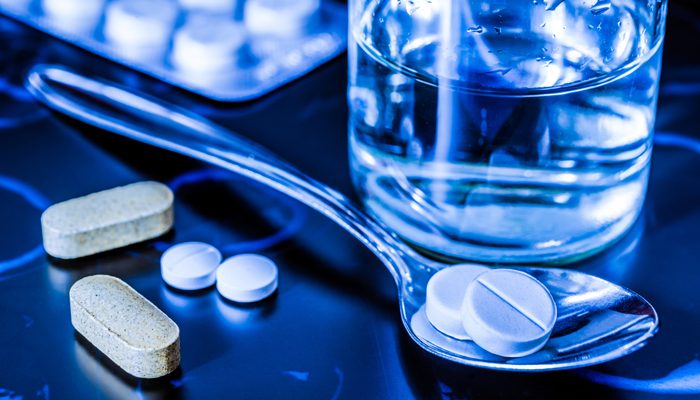 We use our experienced human taste panels and analytic tools suite to quantify the taste masking challenge early in clinical development to guide formulation development, applying internationally recognized methods in a CGP-compliant environment
  We apply a structured, sensory-directed development approach, pioneered in the food industry, to create palatable, taste masked drug formulations for liquids, powders and solids.
Senopsys is the only company that offers both a robust taste assessment analytics platform and a proven taste masking formulation development process.
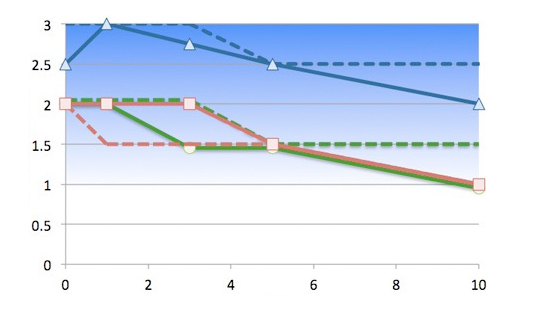
A client’s drug achieved strong positive clinical results in adults and a pediatric dosage form was urgently required. Senopsys’ initial taste assessment indicated that the API represented a difficult, multidimensional taste challenge, specifically strong intensity bitterness, tongue/throat burn and tannin mouthfeels that lingered for over 30 minutes…
How good is your knowledge of taste masking? Learn the truths behind the science and what it means for your development program.
Trusted by 15 of the top 25 global pharma companies, Senopsys brings sensory science and formulation expertise to the most challenging taste masking problems.
Reach out to schedule a technical discussion with our experts.